





Mitigation means one thing: keeping the damage from getting any bigger. It is not the repair. Think of it as all the protective work that comes first, aimed at saving what remains sound. For Inglewood homes, that means we stop the source, pull the water out, seal off wet areas and get the structure stable. Good mitigation makes the later repair smaller, and now and then makes it unnecessary.
The words mitigation and restoration get used as if they were interchangeable. They are two phases. Mitigation is the emergency phase: stop the loss, limit the spread, stabilize the home. Once the structure tests dry, restoration takes over and covers repairing or rebuilding finishes, drywall and floors that were damaged. Insurers treat them as separate line items too, so it helps to know which phase you are in.
Four tasks make up most mitigation visits. First is source control, which keeps more water from coming in. Extraction, so standing water is gone. Three: contain the area with plastic sheeting and managed airflow, so clean rooms stay free of moisture and contaminants. Four: stabilize by pulling materials beyond saving, applying antimicrobial to surfaces and setting up air movers plus dehumidifiers. We also protect furniture and belongings by moving or blocking them up.
Water Damage Mitigation Prevention Tips
Taking preventive measures can help you avoid costly water damage issues down the road. Here are our expert recommendations:
- Never switch the furnace fully off in freezing weather, since pipes can freeze and split.
- Get the water heater checked every year, and replace it ahead of a tank failure.
- Seal gaps around windows, doors and roof penetrations before the next heavy rain arrives.
- Find the main water valve and make sure it has not seized.
- Clean the gutters regularly, and aim downspouts so they discharge away from the foundation.
- Install an automatic shutoff valve that closes the main when a leak is detected.
Water Damage Mitigation Issues? We Can Help.
Get a free estimate from our expert team today.
Get Help: (904) 299-4573Water Damage Mitigation FAQ
What a Professional Brings to Water Damage Mitigation
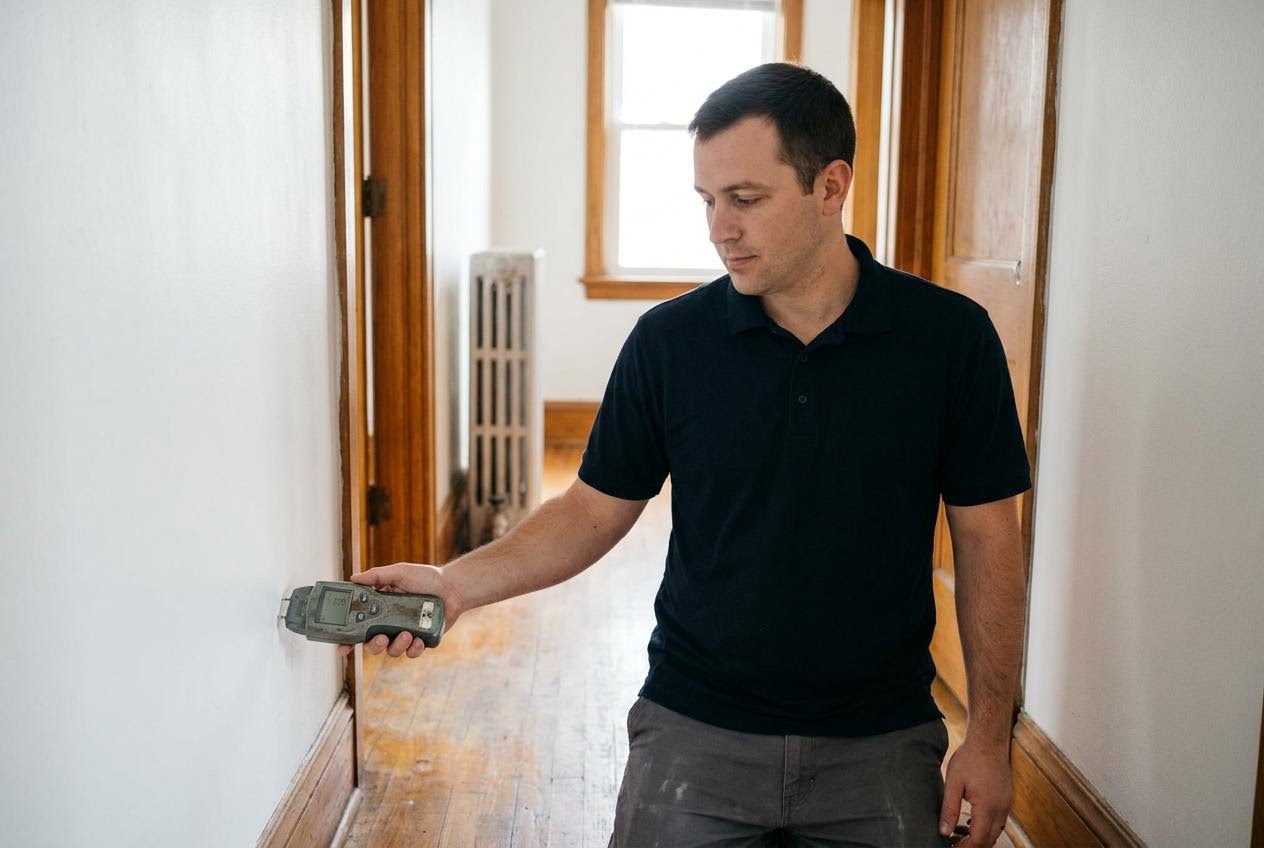
Mitigation is a series of judgment calls made quickly. Can this section of drywall dry in place, or does it need cutting out? Which category applies, 1, 2 or 3, and did that change after the leak first began? Does the cabinet toe kick need to come off? Each decision rests on meter readings and our training, never on whether something seems dry to the eye or hand.
There is a claim-related reason to do mitigation right as well. Owners are required by most policies to take reasonable steps against further damage, and the insurer will ask for evidence. We photograph conditions on arrival, record moisture readings daily and keep a list of anything removed. The result is a file documenting both the damage and the steps taken. The repair contractor gets a clear place to start as well, without hidden moisture waiting behind fresh drywall.
When to Call for Water Damage Mitigation in Inglewood
Catching these issues early helps you avoid costly problems and protect your property. Here are the most common indicators that it's time to call a professional:
- Wet materials have sat for a day and a musty smell is starting.
- Along the floor, water is travelling out of one room and into another.
- A roof or window opening is letting rain into the building.
- A leak has been stopped but floors, walls or cabinets are still wet.
- Bathroom or kitchen cabinets are sitting over water that cannot be reached to dry.
- The insurance company instructed you to take reasonable action against further damage.
- Windows keep fogging and the air feels humid days after the water loss.
Don't Wait Until It's an Emergency
What seems like a minor issue today can turn into a major expense tomorrow. If you notice any of these signs, contact Inglewood Restoration at (904) 299-4573 for a prompt evaluation.
Want a Professional Opinion?
Call Inglewood Restoration to discuss your water damage mitigation needs with a IICRC-certified technician.
Get Help: (904) 299-4573Should You DIY or Call a Pro?
Some simple tasks are suitable for DIY, but most water damage work benefits from professional tools, training, and experience. Here's a comparison:
| Factor | DIY Approach | Professional Service |
|---|---|---|
| Containment | Shutting doors to the wet room | Plastic containment with managed airflow |
| Knowing when it is dry | Dry when it feels dry | Readings logged every visit until dry |
| Source control | Shut the valve and hope | We prove the source is controlled |
| Water removal | Soaking it up by hand | Bulk water out with pumps, extractors |
| Insurance documentation | Some pictures on your phone | Photos plus moisture readings each day |
Our Water Damage Mitigation Process
We follow a proven process to ensure every job is completed to the highest standards. Here's how we handle water damage mitigation from start to finish:
Stop the Water Source
Depending on the cause, our crew closes the supply, caps a failed line, or covers the entry point with tarps and boards. If a plumber or roofer is needed for the permanent fix, we coordinate the timing.
Remove Standing Water
Pumps and extractors take out the standing water, and we inspect the carpet and pad. Fast removal of bulk water limits damage more than drying equipment could by itself.
Set Up Containment
Plastic barriers and controlled airflow separate wet rooms from dry ones. That way dust, humidity and contaminants do not move through the home during the work.
Stabilize the Structure
Unsalvageable materials are removed, surfaces get antimicrobial treatment, and air movers and dehumidifiers are set. We log moisture readings each visit until the structure is ready for repairs, usually within 3 to 5 days.
Get Water Damage Mitigation Help Today
The sooner you call, the sooner we can help. Reach Inglewood Restoration for same-day service.
Get Help: (904) 299-4573